


Todos os Produtos
-
Proteção contra radiações nucleares
-
Detector da radiação nuclear
-
Proteção de cobre da folha
-
O RF protegeu portas
-
O RF protegeu Windows
-
Vidro chumbado de proteção de radiação
-
Jogo de ferramentas não magnético
-
O RF protegeu a câmara
-
Respiradouros de ar do medidor de ondas do favo de mel
-
Fita de cobre adesiva condutora
-
Rede de arame de cobre
-
Vidro de Chumbo de Raios X
-
EMI Shielding Gasket
-
Tela eletricamente condutora
-
Porta da proteção de radiação
-
Proteção de radiação X Ray
-
Gaiola MRI de Faraday
-
Lãs do fio de cobre
-
Iluminação do diodo emissor de luz de MRI
-
Cadeira de rodas não magnética
-
Maca não magnética
-
 AnasO respiradouro de bronze do favo de mel olha muito agradável
 -
 SatheeshAs portas de MRI/RF estão brilhando com punhos, obrigado meu amigo.
Calibrador de dose de célula quente para controlo de qualidade da actividade dos radionuclídeos
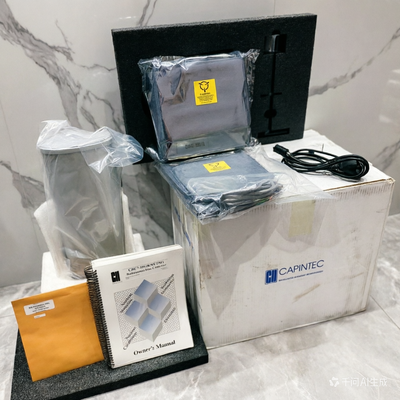
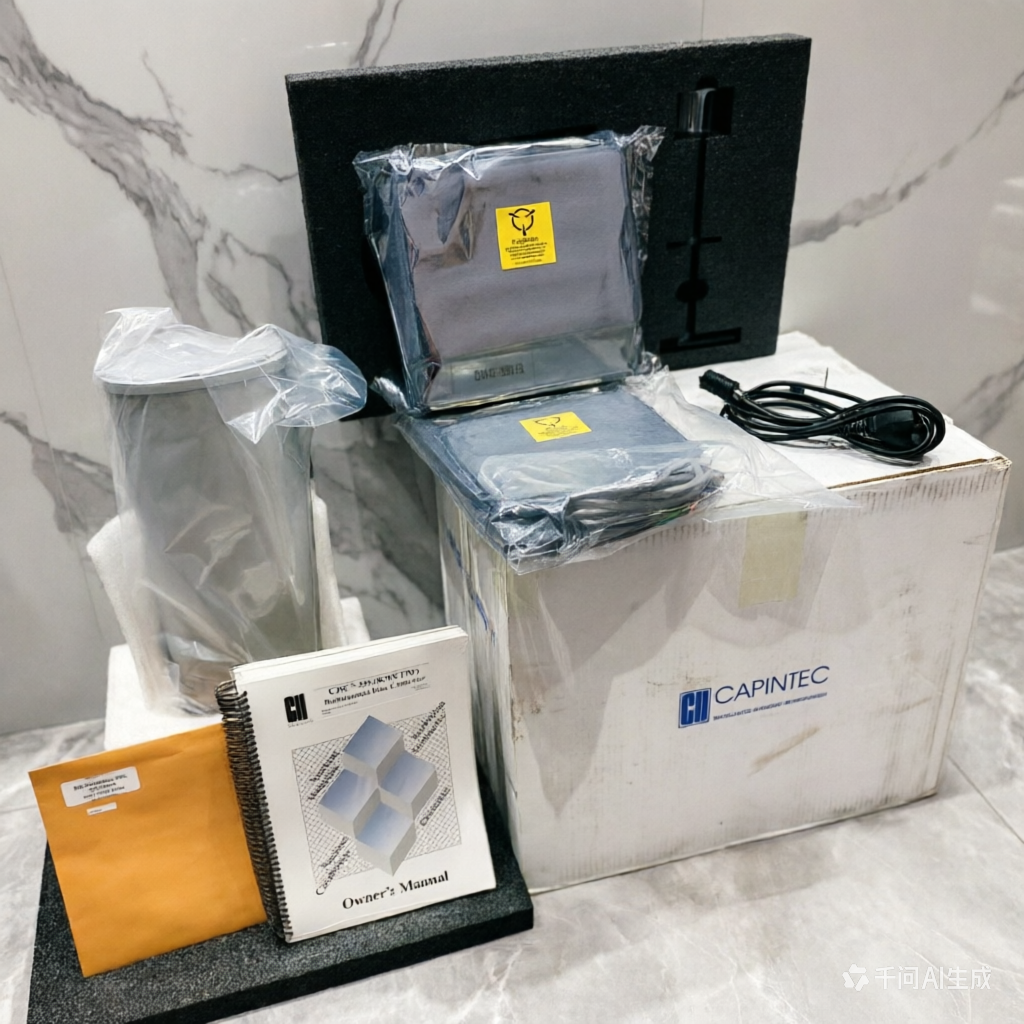
Detalhes do produto
| Temperatura de armazenamento | -40°C a 60°C | Intervalo de doses cumulativas | 0,1 μSv ~ 10Sv |
|---|---|---|---|
| Armazenamento de dados | Até 1000 leituras | Temperatura operacional | -20°C a 50°C |
| Peso | Cerca de 9,8 kg | Tamanho | 350*250*245 mm) |
Descrição de produto
Calibrador de dose de célula quente para controlo de qualidade da actividade dos radionuclídeos
Introdução ao produto
O calibrador de dose de célula quente para controlo de qualidade foi especificamente concebido para apoiar o programa abrangente de garantia de qualidade exigido pelos regulamentos de medicina nuclear e pelos organismos de acreditação.Todos os calibradores de dose devem ser submetidos a verificações diárias de constância, testes trimestrais de linearidade e verificação anual de calibração.aumento da exposição do pessoal e do risco de contaminaçãoEste instrumento integra protocolos de controlo de qualidade no seu software, orientando o utilizador através de cada teste exigido, calculando os resultados e armazenando registos para inspecção.O detector permanece dentro da célula quente para todos os procedimentos de QC, eliminando a necessidade de mudar de fonte.
Área de aplicação
Este calibrador de dose foi concebido para os departamentos de medicina nuclear que devem cumprir os requisitos regulamentares para os testes de desempenho do calibrador de dose.Aplicações específicas de controlo da qualidade incluem verificações diárias de constância utilizando uma fonte de referência de longa duração (normalmente Cs-137 ou Co-57), testes trimestrais de linearidade utilizando o método de decaimento ou o método da manga, estudos de variação geométrica comparando diferentes tipos de seringa e frasco para injectáveis, monitorização da radiação de fundo,e verificação anual de calibração, rastreável às normas nacionaisO instrumento também suporta testes de aceitação para novos radiofármacos, estudos de reprodutividade de medição e protocolos de comparação entre instrumentos para redes de medicina nuclear de vários locais..Além do controlo de qualidade, o calibrador realiza tarefas de medição de dose de rotina, incluindo a verificação da atividade do gerador de eluado, a administração da dose ao paciente e a caracterização da atividade dos resíduos.
Desempenho e benefícios
O calibrador de dose de célula quente para controlo de qualidade atinge uma precisão de medição de ± 5%, com uma reprodutibilidade de ± 2% para medições repetidas.O módulo de software de controlo de qualidade do instrumento inclui instruções passo a passo para cada ensaio exigido.Para as verificações diárias de constância, o software solicita ao utilizador que coloque a fonte de referência na câmara.Regista automaticamente a leitura, compara-o com o valor esperado e sinaliza qualquer desvio que exceda os limites aceitáveis (normalmente ± 10%).Mostrar tendências ao longo do tempo para alertar os utilizadores sobre alterações graduais do desempenho que possam indicar uma deriva da calibração.Para os testes trimestrais de linearidade,O software suporta tanto o método de decaimento (medindo uma fonte repetidamente à medida que se decai ao longo de múltiplas meia-vidas) como o método de manga (usando atenuadores calibrados)O instrumento calcula automaticamente o desvio de linearidade, identifica quaisquer regiões não lineares e produz um relatório de aprovação/falha.O software guia o utilizador através de medições da mesma solução radioactiva em diferentes tipos de seringa ou frasco para injectáveis.Todos os registos de controlo de qualidade são armazenados numa base de dados interna com carimbos de tempo e identificação do utilizador,e a porta USB permite a exportação para planilhas ou sistemas de gestão da qualidadeA saída da impressora produz registos impressos adequados para inspecção regulamentar. O instrumento inclui um sistema de alerta que notifica os utilizadores quando os testes de QC são devidos,Redução do risco de incumprimento devido a testes não realizadosPara os departamentos de medicina nuclear, os principais benefícios são a simplificação da conformidade regulamentar através de protocolos e registos automatizados de controlo de qualidade.Redução da exposição do pessoal, porque os testes de QC são realizados dentro da célula quente sem fontes móveis, melhorou a confiança na precisão da dose do paciente porque os registos de QC demonstram o desempenho do instrumento e a economia de tempo em comparação com os procedimentos manuais de QC.A integração do instrumento de funções de controlo de qualidade e de medição de dose de rotina elimina a necessidade de um calibrador QC separado, reduzindo os custos do equipamento e os requisitos de espaço de trabalho.Os registos abrangentes de controlo da qualidade fornecem documentação defensiva para inspecções regulamentares e inquéritos de acreditação.
Produtos recomendados
