


Todos os Produtos
-
Proteção contra radiações nucleares
-
Detector da radiação nuclear
-
Proteção de cobre da folha
-
O RF protegeu portas
-
O RF protegeu Windows
-
Vidro chumbado de proteção de radiação
-
Jogo de ferramentas não magnético
-
O RF protegeu a câmara
-
Respiradouros de ar do medidor de ondas do favo de mel
-
Fita de cobre adesiva condutora
-
Rede de arame de cobre
-
Vidro de Chumbo de Raios X
-
EMI Shielding Gasket
-
Tela eletricamente condutora
-
Porta da proteção de radiação
-
Proteção de radiação X Ray
-
Gaiola MRI de Faraday
-
Lãs do fio de cobre
-
Iluminação do diodo emissor de luz de MRI
-
Cadeira de rodas não magnética
-
Maca não magnética
-
 AnasO respiradouro de bronze do favo de mel olha muito agradável
 -
 SatheeshAs portas de MRI/RF estão brilhando com punhos, obrigado meu amigo.
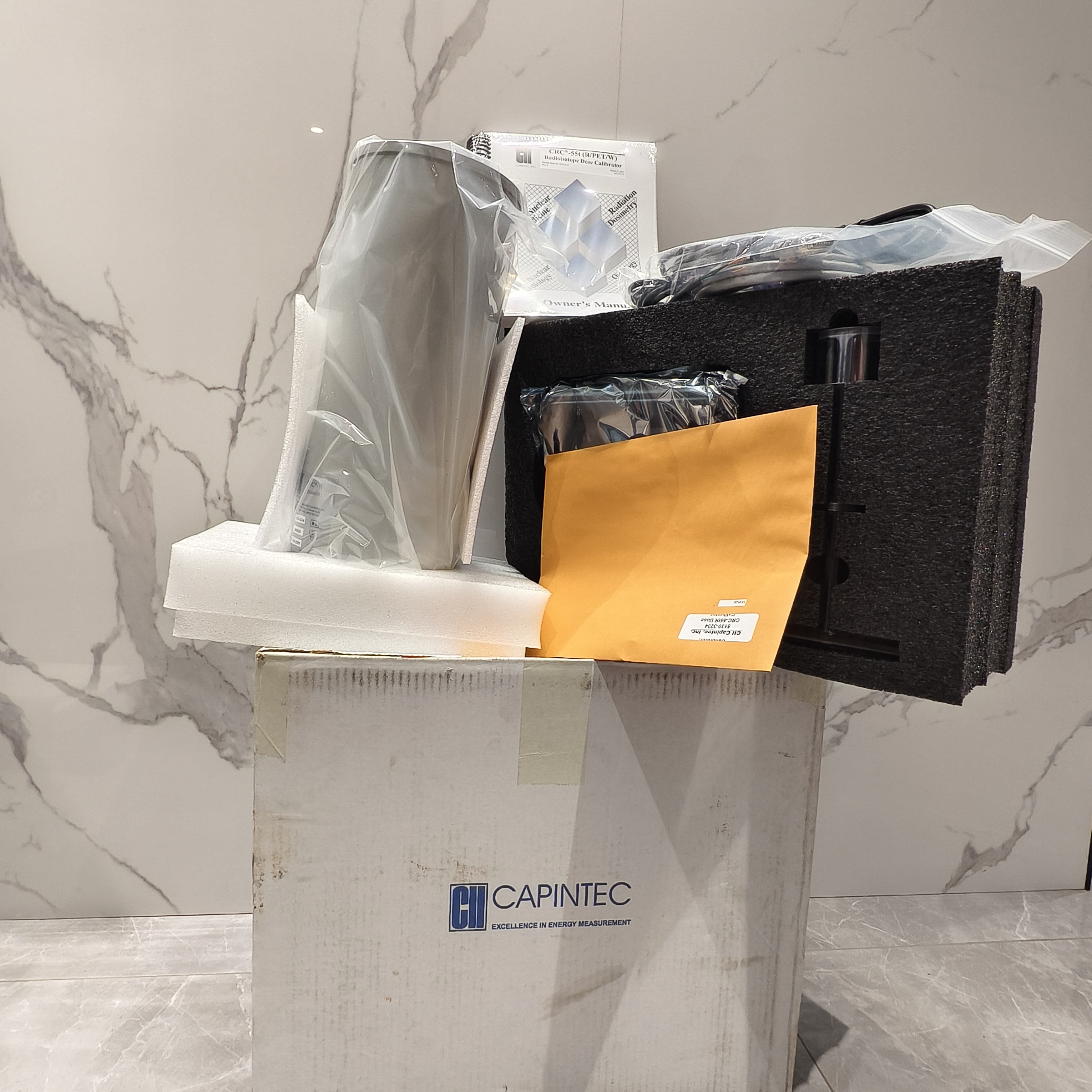
Calibrador de dose para garantia da qualidade dos radiofármacos a célula quente
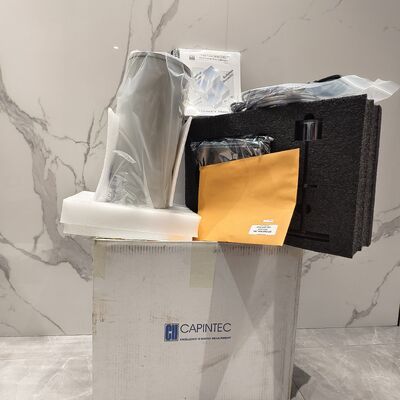
Detalhes do produto
| Tipo de raios | α, β, γ, Raios X | Faixa de medição | 0,01 µSv/h a 10 Sv/h |
|---|---|---|---|
| erro inerente relativo | ≤ ± 10% (137Cs 1msv/h) | Princípio de detecção | Análise do Espectro Gama |
| Área da janela de detecção | 75cm² | Temperatura operacional | -20°C a 50°C |
Descrição de produto
Calibrador de dose para garantia da qualidade dos radiofármacos a célula quente
Introdução ao produto
O Calibrador de Dose para Garantia de Qualidade foi especificamente concebido para apoiar o teste de qualidade abrangente exigido para os radiofármacos antes da administração ao paciente.Para além da simples medição da actividade, este instrumento realiza correção automática de decaimento, cálculo de pureza em percentagem e comparação com os valores esperados.O software inclui protocolos para testes comuns de QA, incluindo medição de avanço do gerador de eluado (avanço da alumina), avaliação da pureza radioquímica (usando o calibrador como contador para as tiras de cromatografia) e verificação da identidade radionuclídica.Todos os resultados são armazenados em uma base de dados pesquisável com registos completos da cadeia de custódiaO detector é instalado no interior da célula quente para a medição direta de amostras sem transferência.
Área de aplicação
Este calibrador de dose foi concebido para os departamentos de medicina nuclear que realizam a garantia de qualidade radiofarmacêutica em conformidade com a USP, a Farmacopeia Europeia ou outras normas regulamentares.Aplicações específicas de controlo da qualidade incluem a medição de Tc-99m gerador de eluado para a ruptura de molibdênio (deve ser < 0.15 μCi Mo-99 por mCi Tc-99m), avaliando a pureza radioquímica dos compostos rotulados com Tc-99m (deve exceder 90% para a maioria dos agentes), verificando a identidade radionuclidica dos frascos para injectáveis com várias doses,ensaio da concentração de íons de alumínio no eluado do gerador (deve ser < 10 μg/mL)O instrumento também suporta o controlo de qualidade de rotina do F-18 FDG,Incluindo a medição da pureza radioquímica e a análise dos solventes residuais quando utilizados com acessórios especializados.
Desempenho e benefícios
O calibrador de dose para garantia da qualidade atinge uma precisão de medição de ± 5% para medições de atividade padrão e fornece capacidades especializadas para testes de QA.Para a medição de ruptura do molibdênio em eluados de Tc-99m, o instrumento utiliza um protocolo de duas etapas: primeiro, medir o eluado sem blindagem (medidas combinadas da actividade de Tc-99m e Mo-99),Em seguida, medir novamente com um escudo de chumbo de 4 mm que atenua Tc-99m fotões, mas passa Mo-99 fotõesO software calcula automaticamente a taxa de ruptura e compara-a com o limite regulamentar, produzindo um resultado de aprovação/desaprovação. A sensibilidade de medição para Mo-99 é de 0,01 μCi,Muito abaixo do limiar regulamentarPara a avaliação da pureza radioquímica, o instrumento inclui um suporte de tira de cromatografia que posiciona a tira na geometria ideal para a contagem.corta-o em segmentosO software calcula a percentagem de actividade em cada segmento e compara-a com os critérios de aceitação.O mesmo suporte pode ser utilizado para tiras de cromatografia de camada fina (TLC) e de cromatografia instantânea de camada fina (ITLC)Para a verificação da identidade radionuclídica, o instrumento utiliza a discriminação da energia (para instrumentos com capacidade de analisador multicanal) ou a medição da meia-vida (para instrumentos padrão).O utilizador mede a amostra em dois momentos diferentes, e o software calcula a meia-vida observada e compara-a com a meia-vida esperada do radionuclídeo declarado.O instrumento inclui uma base de dados completa de controlo da qualidade que armazena os resultados de todos os ensaios com total rastreabilidadePara cada lote de radiofarmacêuticos, o banco de dados mantém registos do avanço do eluado, pureza radiofísica, pH e concentração de alumínio.O sistema alerta os utilizadores quando os resultados dos ensaios se aproximam ou excedem os limites de aceitação e fornece tendências gráficas ao longo do tempo para identificar problemas emergentes com geradores ou procedimentos de rotulagem.Para os departamentos de medicina nuclear, o principal benefício é a conformidade regulamentar simplificada:O instrumento automatiza cálculos complexos de controlo da qualidade, aplica protocolos padrão e mantém documentação completa.A capacidade de realizar testes de QA dentro da célula quente reduz o risco de exposição e contaminação em comparação com os testes em um banco externoPara os gestores da garantia da qualidade, a base de dados de resultados históricos permite a análise de tendências que podem identificar problemas antes de conduzirem a falhas de dose dos doentes.O Calibrador de Dose para a Garantia da Qualidade transforma o que é muitas vezes um trabalho tedioso, um processo manual propenso a erros num fluxo de trabalho eficiente e automatizado.
Produtos recomendados
